
Furniture naturally experiences wear over time. Sofas, chairs, and upholstered seating pieces are especially vulnerable because they are used daily. Fabric fades, padding loses support, and structural components may weaken. Instead of replacing furniture completely, upholstery restoration offers a practical way to extend the lifespan of existing pieces.
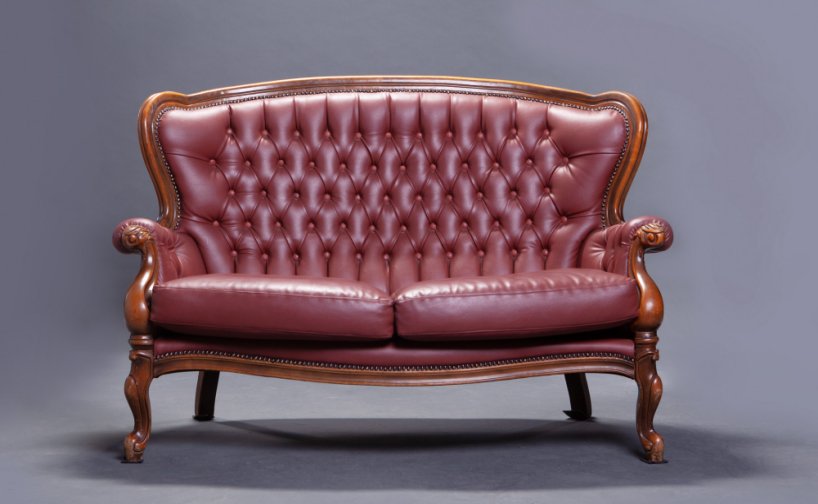
Many homeowners begin researching upholstery when they notice sagging cushions or worn fabric. Understanding how upholstery works and what services are involved can help people make better decisions about furniture care. Upholstery is not simply about replacing fabric—it is a detailed craft that involves rebuilding comfort layers, repairing frames, and improving durability.
This guide explains what upholstery work involves, the materials commonly used, and how furniture restoration fits into larger home improvement and design projects.
Understanding the Craft and Process Behind Professional Upholstery
Upholstery is the process of covering furniture with padding, springs, and fabric to provide comfort and visual appeal. Professional upholsterers follow a multi-step process that restores both the structure and appearance of furniture.
A typical upholstery process includes:
- Inspection of the Furniture Frame
The upholsterer checks the frame for cracks, loose joints, or structural weaknesses. - Removal of Existing Fabric
Old upholstery materials are carefully removed without damaging the frame. - Repairing Internal Support Systems
Springs, webbing, and support layers may be tightened or replaced. - Replacing Cushion Padding
Foam or fiber filling is adjusted to restore proper seating support. - Installing New Fabric Coverings
Fabric is cut, stitched, and attached with precision to ensure a clean finish.
Many homeowners first learn about this process while researching services such as upholstery work, which typically covers both restoration and structural improvements.
Why Upholstered Furniture Requires Periodic Restoration
Even well-built furniture gradually deteriorates due to daily use. Upholstery restoration addresses these changes while maintaining the original frame and design.
Common reasons furniture needs upholstery restoration include:
- Fabric deterioration caused by friction and sunlight
- Flattened cushions that reduce seating comfort
- Broken or weakened springs affecting support
- Outdated colors or patterns that no longer match the interior space
Reupholstering furniture can dramatically improve comfort and aesthetics without discarding high-quality frames.
Restoration also reduces waste by extending the useful life of existing furniture pieces.
Common Upholstery Materials Used for Sofas and Chairs
The comfort and durability of upholstered furniture depend heavily on the materials used inside and outside the furniture structure.
Cushion Filling Materials
- High-density foam
- Polyester fiberfill
- Feather or down blends
- Memory foam layers
Support Components
- Steel coil springs
- Webbing support systems
- Reinforced seat boards
Upholstery Fabrics
- Cotton and linen blends
- Velvet
- Leather
- Synthetic microfiber
When choosing materials, many homeowners review options available through providers of upholstery fabrics dubai. Access to different textures and durability ratings helps ensure the fabric fits both functional and design needs.
Selecting the right material combination improves both longevity and comfort.
How Interior Renovations Influence Furniture Design Decisions
Furniture often plays a central role in home design updates. When homeowners renovate living spaces, existing furniture may no longer match the updated layout or style.
In these situations, upholstery restoration helps align furniture with new interior designs.
For example, during projects involving interior renovations, homeowners may choose to:
- Replace outdated upholstery fabric colors
- Update textures to match modern décor
- Improve seating comfort with new padding
- Restore antique furniture pieces for contemporary spaces
Upholstery allows furniture to evolve alongside changes in the interior environment without requiring full replacement.
Differences Between Upholstery, Furniture Repair, and Sofa Repair
Although related, upholstery, furniture repair, and sofa repair address different types of furniture problems.
Upholstery
Focuses on replacing fabric, padding, and decorative coverings.
Furniture Repair
Involves repairing broken frames, loose joints, or structural components.
Sofa Repair
Targets issues specific to sofas, such as broken springs, damaged cushions, or frame instability.
In some cases, specialized services like sofa repair abu dhabi address structural concerns before upholstery restoration begins.
Combining these services can restore furniture both structurally and visually.
The Importance of Choosing Durable Upholstery Fabrics
Fabric durability plays a major role in the longevity of upholstered furniture. High-quality fabrics resist wear, stains, and fading, which is particularly important in frequently used areas such as living rooms.
Important durability factors include:
- Abrasion resistance
- Stain resistance
- Fade resistance
- Ease of cleaning
Homeowners often explore materials through upholstery fabric suppliers in uae to compare options designed for residential or commercial use.
Durable fabrics not only extend furniture lifespan but also reduce maintenance requirements.
Environmental Benefits of Restoring Instead of Replacing Furniture
Furniture restoration is becoming increasingly popular due to its environmental advantages. Instead of discarding furniture and purchasing new pieces, upholstery restoration helps reduce waste.
Environmental benefits include:
- Lower landfill waste from discarded furniture
- Reduced demand for new manufacturing resources
- Preservation of solid wood frames and durable materials
Many older furniture pieces are built with stronger frames than modern mass-produced furniture. Restoring these pieces preserves craftsmanship while supporting sustainable living practices.
Additionally, reupholstering furniture allows homeowners to refresh interiors without increasing their environmental footprint.
How Upholstery Professionals Evaluate Furniture Before Restoration
Before beginning an upholstery project, professionals conduct a thorough assessment of the furniture piece. This evaluation determines whether restoration is feasible and what steps are required.
The evaluation process usually includes:
Frame Inspection
Checking for structural integrity, cracks, or loose joints.
Cushion Support Examination
Evaluating springs, webbing, and support systems.
Fabric Removal Assessment
Determining how easily existing materials can be removed.
Padding Condition Check
Identifying whether padding needs replacement or reinforcement.
Design and Fabric Planning
Selecting fabrics that complement the furniture’s style and the surrounding interior.
This careful evaluation ensures that restoration work improves both function and aesthetics.
Conclusion
Upholstery work is a detailed craft that combines structural repair, fabric design, and comfort engineering. By replacing worn materials and reinforcing internal support systems, upholstery restoration extends the life of furniture while improving both comfort and visual appeal.
For homeowners seeking to maintain quality furniture, upholstery restoration offers a practical and sustainable alternative to replacement. Understanding the materials, techniques, and restoration processes involved helps ensure better decisions when caring for upholstered furniture.
FAQs
What exactly does upholstery work involve?
Upholstery work involves replacing fabric coverings, repairing internal support systems, and restoring padding materials to improve both comfort and appearance.
How long does upholstery restoration usually last?
High-quality upholstery restoration can last 10 to 15 years or longer, depending on the durability of the materials and the level of furniture usage.
Can antique furniture be reupholstered safely?
Yes. Many antique furniture pieces are commonly restored through upholstery work. Skilled upholsterers carefully preserve original frames while replacing worn materials.
Is upholstery only for sofas and chairs?
No. Upholstery services can also be applied to headboards, ottomans, benches, dining chairs, and various decorative furniture pieces.
How do you know if furniture is worth reupholstering?
Furniture with strong frames, sentimental value, or high-quality craftsmanship is often worth restoring through upholstery rather than replacing entirely.