
Furniture plays a central role in the comfort, appearance, and functionality of any home. Over time, however, sofas, chairs, and other upholstered pieces can start to show signs of wear such as faded fabrics, sagging cushions, or damaged seams. Upholstery services help restore these pieces while preserving their structure and style.
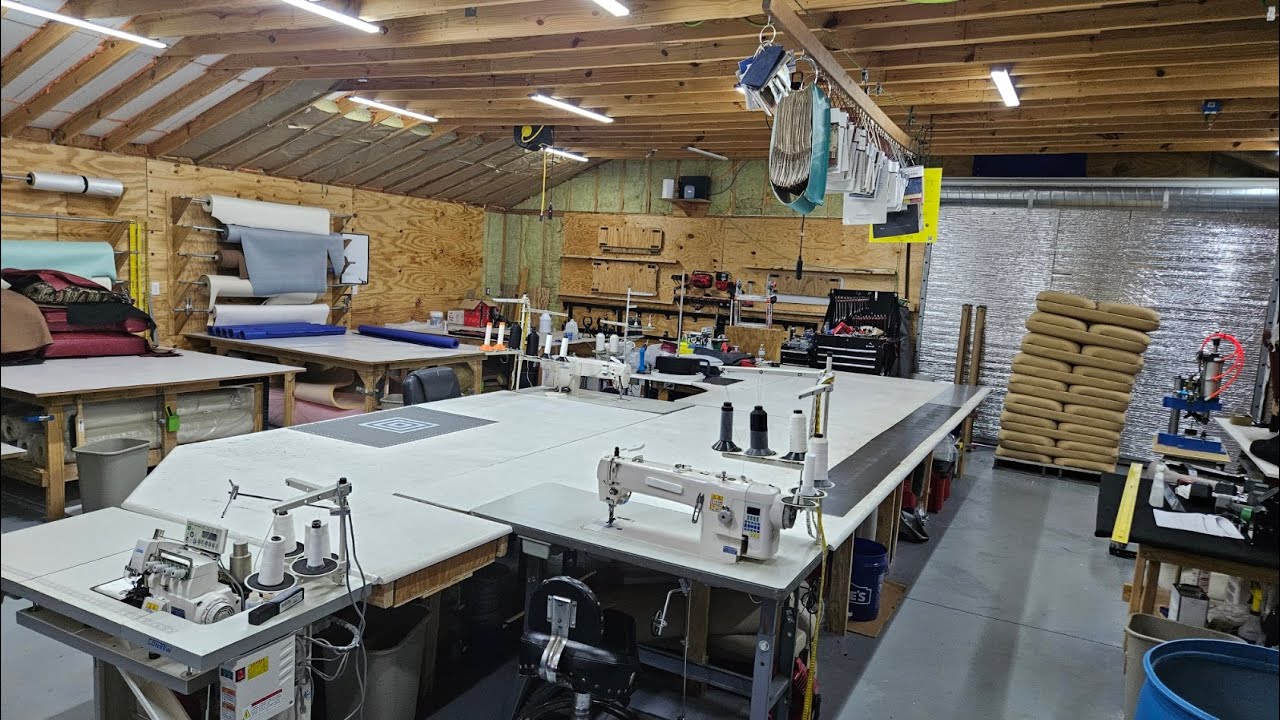
When people begin researching upholstery shops near me, they are usually looking for information on how upholstery works, what services are available, and how to choose the right professionals for their furniture restoration needs. Understanding upholstery processes, materials, and service options makes it easier to make informed decisions.
This guide explains the key elements of upholstery services, the materials involved, and the important factors to consider when researching local upholstery providers.
Understanding What Professional Furniture Upholstery Services Include
Furniture upholstery involves replacing or restoring the fabric, padding, springs, and structural elements of furniture. The goal is to improve comfort, extend the lifespan of the piece, and refresh its appearance.
Professional upholstery services typically include:
- Removing worn or damaged fabric
- Repairing or reinforcing the furniture frame
- Replacing or refilling cushion padding
- Installing new upholstery fabric
- Refinishing decorative elements when necessary
Many homeowners begin their research by exploring options such as upholstery shops near me to better understand available services in their area. Local upholstery professionals often provide consultation to evaluate furniture condition and recommend appropriate restoration methods.
Common furniture items that benefit from upholstery work include:
- Sofas and sectionals
- Armchairs and recliners
- Dining chairs
- Headboards
- Ottomans and benches
Instead of replacing furniture entirely, upholstery can restore functionality while maintaining the original design.
Key Signs That Your Sofa or Chairs May Need Upholstery Work
Recognizing when furniture needs upholstery restoration can prevent further structural damage and extend the life of valuable pieces.
Some common indicators include:
Visible Fabric Damage
Torn, faded, or heavily stained fabric can affect the appearance of furniture. Upholstery replacement allows homeowners to update materials while maintaining the frame.
Sagging Cushions
Cushions may lose firmness after years of use. This usually occurs when padding materials break down.
Structural Instability
Loose joints or weakened frames may cause chairs or sofas to wobble or creak.
Outdated Style
Even structurally sound furniture can look outdated due to old patterns or colors.
If any of these issues appear, upholstery restoration may provide a practical alternative to replacing the entire piece.
How Cushion Filling and Padding Materials Affect Furniture Comfort
Comfort is one of the most important aspects of upholstered furniture. The internal padding materials determine how firm, soft, or supportive the furniture feels.
Common upholstery padding materials include:
- High-density foam
- Polyester fiberfill
- Feather or down blends
- Memory foam layers
Among these options, upholstery foam is widely used because it offers durability and consistent support. Foam density and thickness can be adjusted depending on whether furniture needs a firm seating surface or a softer, more relaxed feel.
High-quality foam also improves:
- Cushion longevity
- Weight distribution
- Resistance to sagging
Replacing worn padding during upholstery restoration significantly improves seating comfort and furniture performance.
Why Fabric Selection Plays a Major Role in Furniture Longevity
Fabric selection is one of the most critical decisions in upholstery work. The material not only determines the appearance of furniture but also affects durability, maintenance, and resistance to wear.
Common upholstery fabrics include:
- Cotton blends
- Linen
- Velvet
- Leather
- Synthetic microfiber
- Performance fabrics
Many homeowners explore materials through upholstery fabric suppliers in dubai to understand the wide variety of textures, colors, and durability levels available.
Important factors to consider when selecting upholstery fabric include:
- Abrasion resistance
- Ease of cleaning
- Colorfastness
- Breathability
- Compatibility with the furniture design
For homes with pets or children, stain-resistant fabrics or tightly woven materials often provide better long-term performance.
Differences Between Reupholstery, Furniture Repair, and Restoration
People sometimes confuse upholstery with general furniture repair. Although related, these services address different aspects of furniture maintenance.
Reupholstery
Reupholstery focuses primarily on replacing fabric, padding, and upholstery components while maintaining the original frame.
Furniture Repair
Furniture repair addresses structural issues such as broken joints, cracked wood, or damaged frames.
Furniture Restoration
Restoration may involve a combination of upholstery, structural repair, and finishing work to bring antique or valuable furniture back to its original condition.
Understanding these differences helps homeowners choose the most appropriate service based on their furniture’s condition.
How Local Furniture Craftsmanship Supports Long-Term Quality
One of the advantages of working with regional upholstery professionals is access to skilled craftsmanship and specialized knowledge of furniture construction.
Local upholsterers often possess experience with:
- Traditional furniture construction techniques
- Regional design preferences
- Fabric availability within the market
- Climate considerations affecting materials
For example, furniture restoration projects in different regions may require unique materials or techniques. Services such as upholstery abu dhabi demonstrate how local expertise can influence material selection and restoration methods based on environmental conditions and furniture styles.
Working with experienced craftsmen can significantly improve the durability and finish of upholstered pieces.
The Connection Between Furniture Upholstery and Interior Design Planning
Furniture restoration is often part of a broader home improvement or design strategy. Updating upholstery allows homeowners to coordinate furniture with evolving interior design trends.
When planning larger design updates, consulting an interior renovation specialist may help integrate upholstered furniture into the overall design scheme.
For example, upholstery updates can:
- Refresh color palettes in living rooms
- Match new flooring or wall finishes
- Introduce modern textures or patterns
- Improve spatial harmony within the room
By aligning furniture restoration with interior design plans, homeowners can achieve a cohesive aesthetic without replacing high-quality furniture pieces.
Practical Tips for Evaluating Upholstery Service Providers
Before choosing an upholstery service, it is helpful to evaluate several factors to ensure quality results.
Review Previous Work
Look for portfolios or examples of completed upholstery projects to assess craftsmanship and attention to detail.
Ask About Materials
Understanding the types of fabrics and padding materials used helps ensure durability.
Check Experience With Similar Furniture
Some upholstery professionals specialize in certain types of furniture, such as antique restoration or modern designs.
Understand the Process
Knowing how the upholstery process works—from fabric removal to final installation—helps set realistic expectations.
Consider Communication and Consultation
Clear communication during the consultation stage allows professionals to understand your goals and recommend suitable materials.
Taking time to research upholstery providers can lead to better long-term results for furniture restoration projects.
Conclusion
Furniture upholstery is a valuable solution for maintaining comfort, restoring appearance, and extending the life of well-built furniture. By understanding upholstery materials, restoration techniques, and fabric options, homeowners can make informed decisions about caring for their furniture.
Whether addressing worn cushions, outdated fabrics, or structural concerns, upholstery services offer a practical alternative to replacing furniture. Careful evaluation of materials, craftsmanship, and service expertise helps ensure that restored furniture remains comfortable, durable, and visually appealing for many years.
FAQs
What is the difference between upholstery and reupholstery?
Upholstery refers to the process of covering furniture with padding, springs, and fabric. Reupholstery specifically involves replacing or repairing existing upholstery components on furniture that already has fabric coverings.
How long does upholstered furniture typically last?
Well-maintained upholstered furniture can last 10–20 years or more. Longevity depends on the quality of the frame, padding materials, and fabric durability.
Can all types of furniture be reupholstered?
Most furniture with a solid frame can be reupholstered, including sofas, armchairs, dining chairs, and ottomans. However, severely damaged frames may require repair before upholstery work begins.
What materials are commonly used for furniture cushioning?
Common cushioning materials include high-density foam, polyester fiberfill, and feather blends. The choice depends on desired comfort levels and durability requirements.
How do you choose the right upholstery fabric?
Choosing the right fabric depends on factors such as durability, texture, maintenance requirements, and compatibility with the room’s design. High-traffic areas usually benefit from stain-resistant or tightly woven fabrics.