
A custom bed is designed to meet specific space, comfort, and functional requirements rather than following a standard ready-made format. It allows homeowners to tailor dimensions, structure, materials, and style according to their bedroom layout and personal preferences. This approach is especially useful for unique room sizes, multi-purpose spaces, or specialized needs.
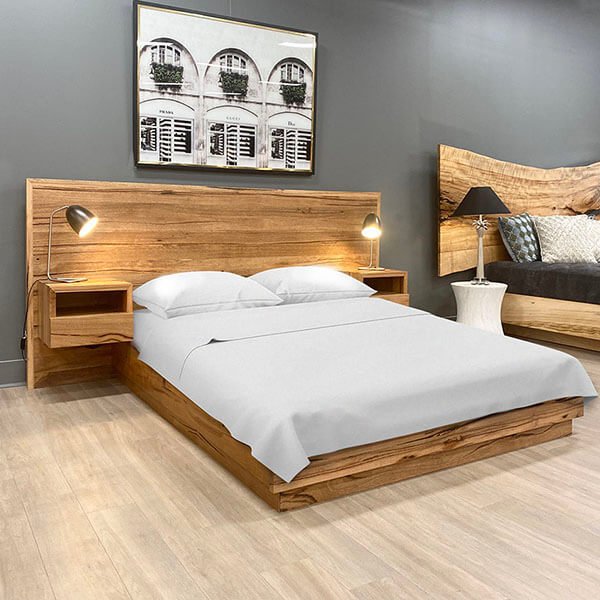
Unlike mass-produced furniture, custom solutions focus on individual requirements. This may include storage integration, height adjustments, or material selection based on durability and aesthetics. In modern homes, customization also supports better space planning and interior harmony.
This guide explains how custom beds are designed, how interior planning influences decisions, and how material selection impacts durability and comfort. It also explores related furniture concepts to help readers understand the broader design process.
1. Understanding the Concept and Structure of a Custom Bed Design Process
A custom bed begins with understanding the user’s requirements and room dimensions. Designers typically analyze the available space, ceiling height, wall placement, and overall bedroom layout before developing the structure.
The design process usually includes:
- Measuring the room accurately
- Identifying storage needs
- Selecting materials and finishes
- Planning structural support
- Ensuring comfort and ergonomic alignment
The structural framework is often built from solid wood, engineered panels, or reinforced materials depending on durability requirements. The headboard, base, and storage compartments can all be adjusted to fit specific needs.
During this process, many homeowners explore inspiration and layout planning through professional resources such as custom bed, which explains how tailored designs can adapt to different interior styles and room configurations.
2. How Interior Planning Influences Bedroom Layout and Space Optimization
Interior planning plays a major role in determining the final structure of a custom bed. Proper layout ensures that movement within the room remains comfortable and practical.
Key factors include:
- Traffic flow around the bed
- Placement of wardrobes and side tables
- Lighting position
- Window alignment
- Ceiling features
When designing bedrooms, many planners consider broader design harmony, including themes and textures. Resources such as interiors dubai demonstrate how coordinated design principles influence furniture placement and spatial balance.
Effective interior planning helps maximize small rooms and enhance large spaces. For example, positioning the bed centrally may create symmetry, while corner placement may improve usable floor area. Custom dimensions ensure that the furniture does not overwhelm or underutilize the room.
3. Choosing the Right Upholstery Materials and Their Practical Differences
Material selection significantly affects comfort, durability, and maintenance. Upholstery fabrics must be chosen carefully depending on climate, usage, and aesthetic preferences.
Common considerations include:
- Breathability
- Resistance to wear and tear
- Ease of cleaning
- Texture and softness
- Color compatibility with interior themes
Fabric quality influences both appearance and longevity. When selecting materials for beds that include padded headboards or integrated seating elements, understanding textile properties is essential. Detailed information about textile options can be found through guides such as fabric for sofa, which explains various fabric types and their characteristics.
Choosing durable materials ensures that the bed maintains its appearance over time. Neutral tones often complement minimalist interiors, while textured fabrics add depth and visual interest.
4. Comparing Space-Saving Options Including Bunk Solutions for Adults
Space-saving solutions are particularly valuable in compact apartments or shared bedrooms. One practical design approach includes elevated or stacked configurations.
Bunk-style structures can:
- Increase sleeping capacity
- Free up floor space
- Create multifunctional areas
- Support shared rooms
- Enhance guest accommodation flexibility
Although traditionally associated with children, modern designs can support adults when engineered properly. Structural stability and safety standards are essential considerations.
For those exploring vertical space solutions, information about configurations such as bunk bed for adults highlights how reinforced frames and ergonomic ladders can support adult use while maintaining stability.
This type of design is especially beneficial in studio apartments or shared housing environments where maximizing floor area improves functionality.
5. The Role of Comfort and Ergonomics in Modern Sleeping Furniture
Comfort is one of the most important aspects of any bed design. Ergonomics ensures that the structure supports natural posture and restful sleep.
Important ergonomic elements include:
- Correct mattress support
- Proper height from the floor
- Balanced weight distribution
- Stable frame construction
- Head and back support integration
The bed base must provide consistent support to prevent sagging. Additionally, adjustable features may enhance comfort for individuals with specific needs.
In some cases, families consider supportive seating within the bedroom environment. Specialized furniture options such as those discussed under nursing chair dubai demonstrate how comfort-focused seating complements restful spaces. Such seating is especially helpful for relaxation and caregiving environments.
Ergonomics contributes not only to comfort but also to long-term physical well-being.
6. How Specialized Seating Supports Families and New Parents
Bedrooms are often multifunctional spaces, especially in homes with infants. Specialized seating can provide comfort during nighttime routines.
Features of supportive seating include:
- Gentle rocking motion
- Ergonomic back support
- Armrest stability
- Cushioned seating surfaces
- Compact footprint
These chairs create a calming environment for feeding or soothing routines. They also integrate seamlessly into bedroom layouts when space planning is considered.
Such seating complements the overall design of a custom bedroom environment and can be coordinated with interior themes to maintain visual harmony.
7. Factors That Affect Durability, Safety, and Long-Term Maintenance
Durability is influenced by material quality, construction technique, and usage patterns. Proper craftsmanship ensures that the structure remains stable over time.
Key durability considerations:
- Strong joint construction
- Moisture-resistant materials
- Quality finishing coatings
- Reinforced load-bearing elements
- Routine maintenance practices
Safety is equally important. Beds must comply with structural stability standards, especially in elevated or multi-level designs. Secure fastening systems and balanced weight distribution reduce risks.
Maintenance includes regular cleaning, checking structural screws, and protecting surfaces from excessive moisture. Choosing reliable materials and finishes ensures long-term performance.
Conclusion
A custom bed represents a thoughtful approach to bedroom design, combining functionality, comfort, and spatial efficiency. By understanding structural planning, interior coordination, material selection, and ergonomic principles, homeowners can create a personalized sleeping environment that meets practical needs.
From layout optimization to specialized seating integration, every design decision contributes to overall comfort and usability. Customization allows flexibility, ensuring that the final result aligns with both aesthetic preferences and daily living requirements.
FAQs
1. What is a custom bed and how does it differ from standard beds?
A custom bed is designed according to specific measurements, materials, and functional needs, unlike standard pre-made beds.
2. How does customization improve bedroom space usage?
Customization allows precise sizing and structural planning, maximizing available space and improving room layout efficiency.
3. What materials are commonly used in bespoke bed designs?
Common materials include solid wood, engineered panels, reinforced frames, and various upholstery fabrics depending on design requirements.
4. Are bunk bed designs suitable for adult use?
Yes, when properly engineered with reinforced structures and safety features, bunk designs can support adult users.
5. What should be considered when selecting supportive seating for nurseries?
Comfort, stability, ergonomic support, material quality, and space compatibility should all be considered.
6. How does interior planning impact furniture selection?
Interior planning determines layout flow, space allocation, lighting placement, and overall design harmony, influencing furniture choices.