
Choosing bedroom furniture requires careful planning, space awareness, and an understanding of design principles. The right selection improves comfort, functionality, and visual harmony within the home. Whether furnishing a new apartment or updating an existing room, thoughtful decisions ensure long-term satisfaction.
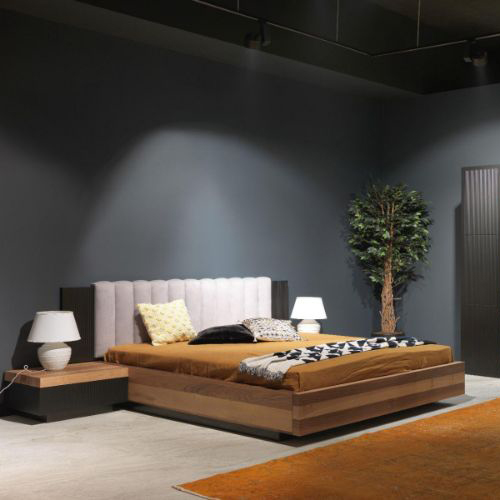
Bedroom furniture should reflect lifestyle needs, room size, and interior preferences. In addition to aesthetics, durability and material quality are essential factors. This guide explains how to evaluate bedroom layouts, understand interior influences, and compare seating options that enhance comfort and usability.
1. Understanding Bedroom Furniture Planning and Functional Requirements
Bedroom planning begins with analyzing available space and identifying essential furniture pieces. A well-designed bedroom typically includes a bed, storage units, and complementary seating if space allows.
Key planning considerations include:
- Room dimensions and ceiling height
- Natural lighting and window placement
- Storage requirements
- Movement flow within the room
- Balance between functionality and comfort
Functional furniture ensures efficient use of space. Custom sizing can help accommodate unique layouts, especially in compact apartments or irregularly shaped rooms.
When exploring tailored furniture solutions, resources such as bedroom furniture abu dhabi provide insights into adaptable designs that align with different spatial requirements and interior goals.
Proper planning prevents overcrowding and ensures that every piece serves a clear purpose.
2. How Regional Interior Design Trends Influence Home Furnishing Choices
Interior design trends often shape furniture preferences. In regions with modern architectural styles, homeowners may prefer minimalistic designs, neutral tones, and clean lines.
Important trend factors include:
- Color palettes
- Material combinations
- Texture balance
- Lighting integration
- Space optimization techniques
Design inspiration can also come from broader concepts found in professional resources like dubai interior, which highlight coordinated layout strategies and contemporary aesthetics.
Regional trends influence the selection of finishes, fabrics, and structural styles. For example, lighter tones can enhance natural lighting, while darker finishes may create a sophisticated atmosphere.
Understanding trends helps homeowners make informed choices while maintaining personal style preferences.
3. Exploring Traditional Seating Styles Used in Majlis Arrangements
Majlis-style seating is deeply rooted in cultural traditions and emphasizes hospitality and comfort. It typically features low seating arrangements, cushioned surfaces, and coordinated fabric designs.
Key characteristics of majlis furniture include:
- Floor-level seating configurations
- Extensive cushioned support
- Rich textile selections
- Symmetrical layout designs
- Community-oriented arrangement
Majlis spaces prioritize social interaction and comfort. Materials are often selected for durability and elegance, ensuring long-term use in shared environments.
Detailed information about such seating concepts can be explored through majlis furniture, which explains design variations and structural elements associated with traditional layouts.
Integrating majlis-inspired designs into bedrooms or adjacent areas can create a harmonious and culturally inspired interior environment.
4. Differences Between Recliner Seating and Traditional Chairs
Recliner chairs offer adjustable backrests and enhanced relaxation features compared to standard seating options. They are commonly used for comfort-focused environments, including bedrooms and living spaces.
Key differences include:
- Adjustable reclining mechanisms
- Enhanced lumbar support
- Extended leg support features
- Increased cushioning density
- Mechanized or manual adjustment systems
Traditional chairs typically provide fixed seating positions without reclining capabilities. Recliners, however, are designed for rest, reading, or relaxation.
Understanding these distinctions helps homeowners select seating based on intended usage. For example, information available at recliner chair explains structural variations and comfort considerations associated with adjustable seating.
Choosing between recliners and standard chairs depends on space availability and comfort priorities.
5. Benefits and Uses of Rocking Chairs in Modern Homes
Rocking chairs combine comfort with gentle motion, making them suitable for bedrooms, nurseries, or relaxation corners. The rhythmic movement can create a calming environment.
Benefits include:
- Stress reduction through motion
- Support for relaxation routines
- Ergonomic back support
- Compact design options
- Versatile placement within rooms
Rocking chairs are often chosen for reading spaces or caregiving environments. Their design can complement modern or traditional interiors depending on material selection.
For examples of structure and comfort-focused designs, references such as rocking chair dubai provide insight into ergonomic features and build quality considerations.
In bedrooms, rocking chairs can serve as functional accent pieces while enhancing comfort.
6. Space Planning Strategies for Small and Large Bedrooms
Effective space planning ensures that furniture complements the room rather than overcrowding it. The strategy differs depending on room size.
For small bedrooms:
- Choose multi-functional furniture
- Use lighter color schemes
- Avoid oversized pieces
- Maintain clear walking paths
- Utilize vertical storage solutions
For large bedrooms:
- Create balanced furniture groupings
- Incorporate seating areas
- Use area rugs to define zones
- Maintain proportional scaling
- Add decorative elements strategically
Proper arrangement enhances usability and visual appeal. Furniture placement should support natural movement and ensure easy access to storage areas.
Planning also considers lighting placement and electrical outlet positioning to avoid inconvenience.
7. Material Selection, Finishes, and Long-Term Maintenance Considerations
Material quality directly impacts durability and appearance. When selecting bedroom furniture, homeowners should evaluate structural strength and surface treatments.
Important factors include:
- Resistance to humidity and temperature changes
- Scratch-resistant finishes
- Easy-to-clean surfaces
- Solid joint construction
- Sustainable material sourcing
Regular maintenance extends furniture lifespan. Cleaning schedules, protective covers, and careful handling preserve structural integrity and aesthetic quality.
Choosing durable materials reduces the need for frequent replacements and ensures consistent performance over time.
Conclusion
Selecting bedroom furniture in Abu Dhabi requires careful evaluation of space, functionality, design trends, and material quality. By understanding layout planning, regional influences, seating options, and durability factors, homeowners can create comfortable and well-organized bedrooms.
Thoughtful furniture selection enhances daily living, supports relaxation, and maintains long-term value. Combining practical planning with design awareness ensures a balanced and functional interior environment.
FAQs
1. What factors should be considered when selecting bedroom furniture?
Room size, storage needs, material quality, layout flow, and comfort requirements should all be considered.
2. How does interior design influence furniture choices?
Interior design determines color schemes, layout arrangements, material selection, and overall aesthetic coordination.
3. What is majlis furniture and how is it traditionally used?
Majlis furniture refers to traditional seating arrangements designed for hospitality, featuring cushioned and low-level layouts.
4. What are the benefits of using recliner chairs at home?
Recliner chairs provide adjustable comfort, enhanced support, and relaxation features suitable for bedrooms and living spaces.
5. When is a rocking chair a practical addition to a bedroom?
A rocking chair is useful in relaxation areas, reading corners, or caregiving spaces due to its calming motion and ergonomic support.
6. How can furniture arrangement improve room functionality?
Proper arrangement enhances movement flow, maximizes space usage, and ensures balanced visual design within the bedroom.