
When it comes to enhancing the look and feel of your home, choosing the right upholstery fabrics is essential. Upholstered furniture can dramatically transform the ambiance of any space, whether it’s your living room, office, or bedroom. However, selecting the perfect fabric requires more than just picking a color or pattern. It involves understanding the types of fabrics available, their durability, maintenance requirements, and suitability for your specific interior design.
Dubai has emerged as a hub for high-quality upholstery fabric suppliers, offering a wide range of options for homeowners, interior designers, and businesses. With so many suppliers available, it can be overwhelming to know which one to trust. Making an informed decision will ensure that your furniture not only looks elegant but also lasts for years. This guide provides a comprehensive look into how to choose the best upholstery fabric suppliers in Dubai and what factors to consider when sourcing fabrics for your home or commercial projects.
Understanding Different Types of Upholstery Fabrics Available in Dubai
Upholstery fabrics come in a variety of materials, each offering unique characteristics. Some common types include:
- Natural Fabrics: Cotton, linen, and wool are popular for their breathability and comfort. Cotton is easy to clean and versatile, while linen gives a sophisticated texture but can wrinkle easily. Wool is warm and durable, making it suitable for furniture in colder climates.
- Synthetic Fabrics: Polyester, nylon, and acrylic offer high durability and resistance to stains. These fabrics are ideal for high-traffic areas and homes with children or pets.
- Blends: Combining natural and synthetic fibers can provide the best of both worlds—comfort and durability.
- Leather and Faux Leather: Leather is luxurious and long-lasting but requires regular maintenance. Faux leather provides a similar appearance at a more affordable price and is easier to clean.
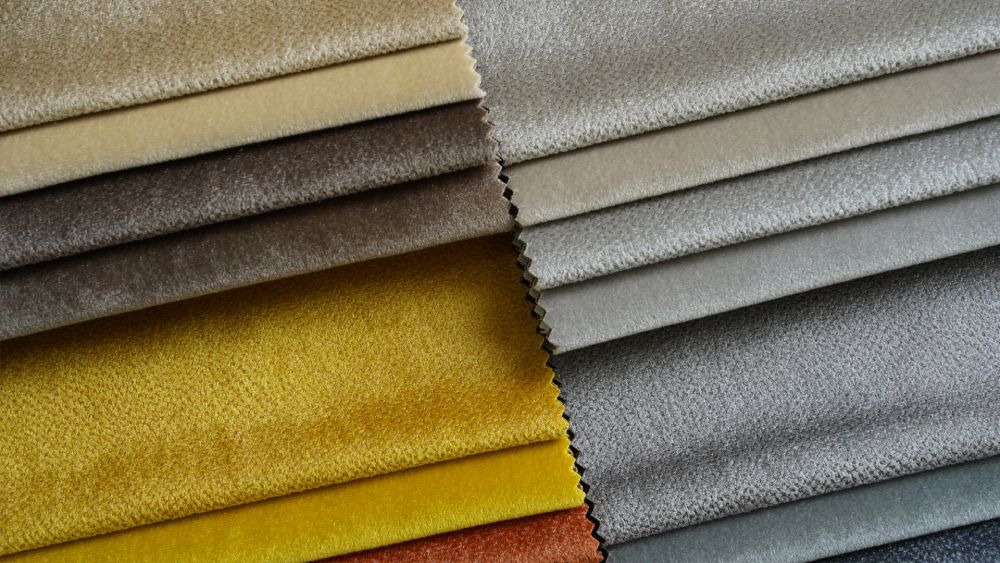
- Velvet and Chenille: These fabrics are soft and elegant, ideal for accent pieces or living room furniture. Velvet offers a plush feel, while chenille is known for its durability and textured finish.
When sourcing fabrics, consider not only aesthetics but also functionality. For example, a busy family home might benefit more from a durable, stain-resistant synthetic fabric, while a formal living room could benefit from the elegance of velvet or linen.
Key Factors to Consider When Selecting Upholstery Fabric Suppliers
Choosing the right supplier is as important as choosing the right fabric. Here are some critical factors to evaluate:
- Reputation and Reliability: Research suppliers’ reputations through online reviews, testimonials, and industry recognition. Reliable suppliers provide consistent quality and delivery schedules.
- Fabric Range and Variety: A good supplier should offer a wide range of fabrics, including natural, synthetic, blends, and specialty materials. This variety ensures you can find the right match for any project.
- Expert Advice and Support: Suppliers who offer guidance on fabric selection, maintenance, and suitability for different furniture types are more valuable than those who only sell products.
- Sustainability Practices: If environmental considerations are important, seek suppliers who offer eco-friendly fabrics or sustainable sourcing options.
- Customization Options: Some suppliers provide custom fabric designs or specific dye options, which can be important for unique interior design projects.
For instance, working with a supplier who understands the nuances of fabric performance can help you avoid problems like pilling, fading, or premature wear.
Comparing Quality Standards Among Dubai’s Fabric Suppliers
Not all fabrics are created equal, and suppliers may vary in quality standards. Consider the following aspects when comparing suppliers:
- Material Sourcing: High-quality fabrics often come from reputable mills with consistent material standards.
- Weaving and Construction: Check for tightness of weave, thread count, and stitching quality. Tighter weaves generally offer better durability.
- Colorfastness: Fabrics should retain their color after exposure to sunlight or washing.
- Certifications: Look for certifications such as OEKO-TEX Standard 100, which ensures textiles are free from harmful chemicals.
- Consistency: Evaluate whether the supplier maintains uniformity across batches to avoid mismatched colors or textures in large projects.
Visiting showrooms or requesting fabric samples is an effective way to assess quality before committing to larger purchases.
Tips for Matching Fabrics with Interior Renovation Projects
Choosing the right fabric can enhance the overall design of your interior renovation interior. Here are some tips to consider:
- Color Coordination: Match fabrics with existing color schemes to create harmony. Consider accent colors for pillows, drapes, or throws.
- Texture Variety: Mix different textures to add depth and interest, such as pairing smooth leather with soft velvet cushions.
- Room Functionality: Consider the function of the space. High-traffic areas need durable fabrics, while bedrooms or lounges can accommodate softer, delicate materials.
- Lighting Considerations: Natural and artificial lighting can affect the perception of color. Test fabrics in the actual room to see how they appear under different lighting conditions.
- Style Alignment: Ensure fabrics complement the interior style, whether modern, traditional, or eclectic.
For example, in a contemporary renovation project, combining neutral synthetic fabrics with a few textured accent pieces can create a balanced and stylish look. Integrating fabrics thoughtfully ensures your renovation feels cohesive and well-planned.
How to Maintain Upholstered Furniture for Longevity
Proper maintenance extends the life of your upholstered furniture. Here are practical steps to keep fabrics in top condition:
- Regular Cleaning: Vacuum fabric surfaces weekly to remove dust and debris. For leather or faux leather, use appropriate wipes or conditioners.
- Spot Cleaning: Attend to spills immediately using mild detergent or fabric-specific cleaners.
- Avoid Direct Sunlight: Prolonged exposure to sunlight can fade colors and damage fibers. Use curtains or blinds to protect furniture.
- Rotate Cushions: Rotate cushions periodically to prevent uneven wear and sagging.
- Professional Cleaning: Schedule deep cleaning with professional services annually or as needed, especially for delicate fabrics like velvet or wool.
Maintaining your upholstery properly ensures that your investment in high-quality fabrics from suppliers continues to provide beauty and comfort over time.
Evaluating Supplier Reliability and Customer Service
The relationship with your supplier impacts the overall experience of your upholstery project. Consider these points:
- Communication: Clear, timely communication is essential for smooth transactions and problem resolution.
- Delivery and Logistics: Reliable suppliers meet deadlines and provide accurate shipment tracking.
- After-Sales Support: Support for returns, replacements, or fabric queries adds confidence to your purchase.
- Professional Guidance: A supplier who offers consultations or fabric recommendations demonstrates expertise and dedication to customer satisfaction.
For instance, a reliable supplier can help coordinate fabric delivery with renovation timelines, ensuring your project proceeds without delays. Establishing a strong rapport with your supplier is critical to achieving a successful outcome.
How to Source Upholstery Fabric Abu Dhabi for Regional Projects
If your renovation or interior project extends beyond Dubai, sourcing fabrics from nearby regions like Abu Dhabi can be convenient. Consider the following:
- Regional Supplier Networks: Many Dubai-based suppliers have regional connections or branches in Abu Dhabi for ease of access.
- Sample Services: Request samples to evaluate suitability before making bulk purchases.
- Logistics Planning: Ensure suppliers can handle shipping and delivery schedules efficiently.
- Cost and Quality Balance: Regional suppliers may offer competitive pricing while maintaining high-quality standards.
- Local Regulations and Standards: Verify that fabrics meet regional safety and quality regulations to avoid compliance issues.
Utilizing suppliers with regional capabilities simplifies the procurement process for larger projects or multi-city renovations. This ensures consistency in fabric quality and design across locations.
Sustainable and Eco-Friendly Fabric Options in Dubai
Sustainability is increasingly important in interior design. Many suppliers in Dubai now offer eco-friendly options:
- Recycled Materials: Fabrics made from recycled fibers reduce environmental impact.
- Organic Textiles: Cotton, wool, and linen grown without harmful chemicals are safer for the environment and indoor air quality.
- Low-Impact Dyeing Processes: Fabrics dyed with water-saving and chemical-reducing techniques are environmentally responsible.
- Durable Fabrics: Longevity reduces waste by preventing early replacement of worn-out furniture.
Choosing sustainable fabrics not only benefits the environment but also promotes a healthier home atmosphere. Incorporating eco-conscious choices into your renovation reflects responsible design practices.
Common Mistakes When Choosing Upholstery Fabrics
Even experienced homeowners and designers sometimes make errors when selecting fabrics. Avoid these common pitfalls:
- Ignoring Fabric Functionality: Prioritizing aesthetics over durability can lead to quick wear in high-use areas.
- Overlooking Maintenance Needs: Some fabrics require specialized care that may not suit your lifestyle.
- Mismatched Colors or Patterns: Poor coordination can disrupt the harmony of your interior design.
- Neglecting Supplier Credibility: Choosing suppliers based solely on price can compromise quality and service.
- Not Testing Samples in Context: Fabrics may appear different in the room than in the showroom.
Learning from these mistakes helps ensure that your fabric choices support both the design and functional goals of your space.
Conclusion
Selecting the right upholstery fabric and supplier in Dubai requires careful consideration of materials, quality, functionality, and sustainability. By understanding fabric types, comparing suppliers, and considering practical aspects like maintenance and compatibility with interior design, you can ensure your upholstered furniture enhances your space beautifully and lasts for years. Thoughtful planning, informed choices, and attention to detail are the keys to successful upholstery projects.
FAQs
- What types of fabrics are commonly used for furniture upholstery in Dubai?
Dubai suppliers offer a wide range of fabrics, including natural materials like cotton and linen, synthetic fabrics like polyester and nylon, blends, leather, faux leather, velvet, and chenille. Each type has unique characteristics suitable for different furniture and design styles. - How do I assess the quality of upholstery fabric suppliers?
Evaluate suppliers by their reputation, range of fabrics, quality standards, certifications, and customer support. Request samples to check texture, weave, and color consistency. Reliable suppliers will provide professional guidance and timely delivery. - What should I consider when matching fabrics to home interiors?
Consider color schemes, textures, room functionality, lighting, and overall style. Fabrics should complement existing design elements and enhance the visual and tactile experience of the space. - How can I maintain my furniture upholstery to last longer?
Regular cleaning, spot treatments, protecting from sunlight, rotating cushions, and professional deep cleaning are key practices. Different fabrics require specific care techniques for optimal longevity. - Are there eco-friendly fabric options available in Dubai?
Yes, many suppliers provide sustainable fabrics, including recycled materials, organic textiles, low-impact dyed fabrics, and highly durable options. These choices reduce environmental impact and promote healthier indoor environments. - How to find trusted suppliers for upholstery fabric in Abu Dhabi?
Look for suppliers with regional presence or delivery services in Abu Dhabi. Check reviews, request samples, and ensure consistent quality across locations. Working with established suppliers ensures reliability and convenience.
7. What are the differences between local and imported fabrics?
Local fabrics may offer easier availability and support regional businesses, while imported fabrics often provide unique designs, higher-end materials, or specialized qualities. Balance your selection based on project needs and budget.