
Furniture upholstery depends heavily on fabric quality, durability, and design compatibility. Whether restoring a sofa, reupholstering dining chairs, or updating decorative furniture pieces, the fabric chosen determines both the appearance and lifespan of the final result. Because of this, upholstery fabric suppliers play an essential role in the furniture restoration process.
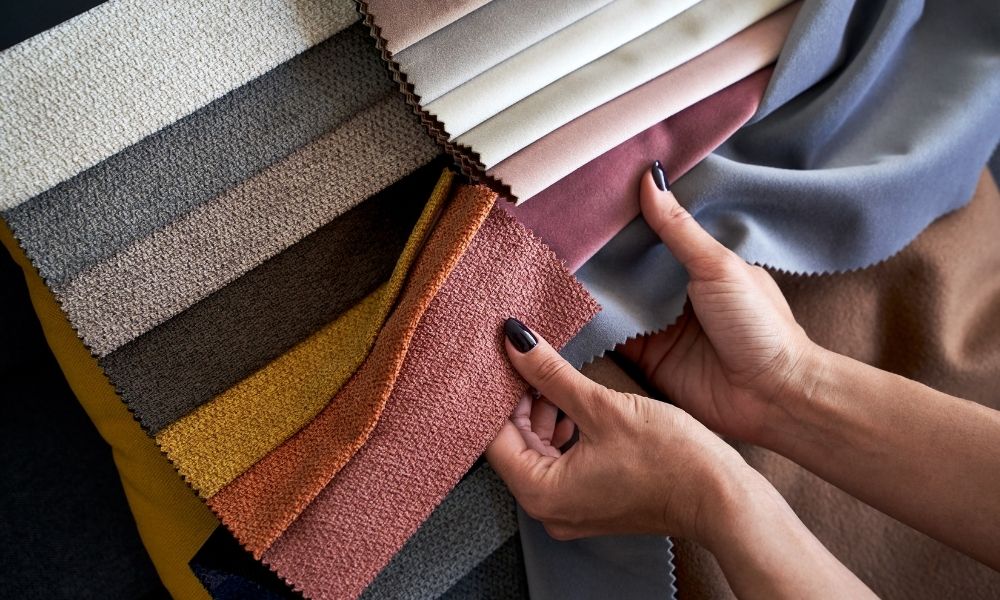
Homeowners, interior designers, and furniture craftsmen often rely on specialized suppliers to access a wide variety of materials. These suppliers provide fabrics designed for durability, comfort, and style, ensuring that upholstery projects meet both functional and aesthetic expectations.
Understanding the role of fabric suppliers, the types of materials available, and how upholstery fabrics integrate into furniture restoration helps homeowners make informed decisions when planning upholstery or renovation projects.
Understanding the Role of Upholstery Fabric Suppliers in Furniture Projects
Upholstery fabric suppliers serve as the primary source for materials used in furniture covering and restoration. Their role extends beyond simply selling fabric—they often provide guidance on durability, texture, maintenance, and design suitability.
Many homeowners researching furniture restoration begin by exploring options from upholstery fabric suppliers in dubai to understand the variety of fabrics available for sofas, chairs, and other upholstered items.
Suppliers typically provide:
- Fabric samples for testing color and texture
- Information about fabric durability ratings
- Guidance on stain resistance and maintenance
- Materials suitable for residential or commercial use
Because furniture pieces are used daily, choosing the correct fabric from a reliable supplier ensures long-term comfort and performance.
Types of Upholstery Fabrics Commonly Used in Modern Furniture
Upholstery fabrics come in many varieties, each offering unique advantages depending on the intended use of the furniture.
Natural Fabrics
Natural materials offer comfort and breathability while providing a traditional aesthetic.
Examples include:
- Cotton
- Linen
- Wool blends
Natural fabrics are often chosen for their soft texture and organic appearance.
Synthetic Fabrics
Synthetic fabrics are engineered for durability and stain resistance.
Common examples include:
- Polyester blends
- Acrylic fabrics
- Microfiber
These materials are often used in high-traffic areas because they resist wear and fading.
Luxury Upholstery Materials
Some furniture designs require premium materials to achieve a sophisticated appearance.
Luxury options include:
- Velvet
- Leather
- Silk blends
These fabrics are often used in decorative seating or accent furniture pieces.
Understanding these categories helps homeowners choose fabrics suited to their lifestyle and furniture usage.
How Fabric Quality Affects Furniture Durability and Comfort
Fabric durability plays a critical role in determining how long upholstered furniture will last. High-quality upholstery fabric can withstand years of daily use while maintaining its color and structure.
Several factors influence fabric performance:
- Abrasion resistance determines how well fabric handles friction.
- Weave density affects durability and stain resistance.
- Colorfastness ensures fabric does not fade quickly in sunlight.
- Breathability improves seating comfort.
Furniture professionals involved in furniture upholstery dubai projects often prioritize durable fabrics because sofas and chairs experience continuous pressure and movement.
Choosing fabrics with strong durability ratings can significantly extend the lifespan of upholstered furniture.
The Relationship Between Interior Renovation and Upholstery Materials
Furniture upholstery often becomes part of larger home improvement projects. When homeowners update flooring, wall finishes, or layout designs, upholstery fabric may also need to change to match the new aesthetic.
During planning stages for projects involving renovation interior, interior designers frequently recommend updating upholstered furniture to maintain visual harmony within the space.
Upholstery fabrics influence interior design in several ways:
- Introducing complementary colors
- Adding texture to minimalist rooms
- Enhancing warmth and comfort
- Highlighting accent furniture pieces
By aligning upholstery materials with renovation plans, homeowners create cohesive and balanced interior environments.
Choosing the Right Upholstery Fabric for Different Furniture Pieces
Different types of furniture require specific fabric characteristics. What works well for a decorative chair may not be suitable for a heavily used sofa.
Sofas and Sectionals
These pieces require fabrics that resist stains, abrasion, and fading.
Recommended options include:
- Microfiber
- Polyester blends
- Performance fabrics
Dining Chairs
Dining seating benefits from fabrics that are easy to clean and resistant to spills.
Accent Chairs
Decorative chairs often use textured fabrics or bold patterns to add visual interest.
Headboards and Decorative Furniture
These pieces may use softer fabrics or luxurious textures because they experience less wear.
Selecting the correct fabric for each furniture piece improves both durability and design compatibility.
How Specialized Fabric Suppliers Support Custom Furniture Projects
Custom furniture projects require specific materials that match both design preferences and structural requirements. Upholstery fabric suppliers support these projects by offering diverse collections of fabrics suited for different styles.
Services typically provided by fabric suppliers include:
- Fabric swatch libraries
- Custom fabric ordering
- Consultation on durability ratings
- Pattern and texture recommendations
Access to specialized materials allows furniture designers and upholsterers to create unique pieces tailored to individual interior styles.
Fabric suppliers also help ensure that upholstery materials align with modern design trends while maintaining practical performance.
When Furniture Restoration and Renovation Work Together
Furniture restoration is often coordinated with broader home renovation projects. This allows homeowners to modernize interiors while preserving valuable furniture pieces.
For example, structural renovation projects such as garage renovation sometimes lead homeowners to redesign surrounding living spaces. As a result, existing furniture may be reupholstered to match the updated environment.
Combining renovation and upholstery offers several benefits:
- Improved design consistency across rooms
- Preservation of high-quality furniture frames
- Opportunity to refresh outdated color schemes
- Better use of existing materials
This approach supports both aesthetic improvements and sustainable home design practices.
Fabric Selection Considerations for Regional Climate Conditions
Environmental conditions can influence the performance of upholstery fabrics. In warm climates, fabric breathability and heat resistance become particularly important.
Key considerations include:
Breathability
Fabrics that allow air circulation improve comfort in warm environments.
Moisture Resistance
Materials that resist humidity and moisture help prevent odor and deterioration.
UV Resistance
Sunlight exposure can fade certain fabrics, so colorfast materials are often recommended.
For homeowners researching materials from sources such as upholstery fabric abu dhabi, understanding how climate affects fabric performance can help ensure long-lasting results.
Selecting climate-appropriate fabrics improves durability and overall furniture comfort.
Conclusion
Upholstery fabric suppliers play a crucial role in furniture restoration and interior design projects. By providing access to durable, comfortable, and visually appealing materials, they help ensure that upholstered furniture meets both functional and aesthetic expectations.
Understanding fabric types, durability factors, and design compatibility allows homeowners to select materials that suit their lifestyle and interior environment. Whether restoring existing furniture or coordinating upholstery with renovation projects, the right fabric choice contributes significantly to long-term comfort and visual harmony in the home.
FAQs
What do upholstery fabric suppliers provide?
Upholstery fabric suppliers provide materials used for covering furniture, along with guidance on durability, maintenance, and design suitability.
How do you choose the best upholstery fabric?
Choosing the best upholstery fabric depends on factors such as durability, stain resistance, comfort, and how frequently the furniture will be used.
Are synthetic fabrics better than natural fabrics for upholstery?
Synthetic fabrics are often more durable and stain-resistant, while natural fabrics provide breathability and a softer texture. The choice depends on furniture usage and design preferences.
How long do upholstery fabrics typically last?
High-quality upholstery fabrics can last 7–15 years or longer depending on usage, maintenance, and material quality.
Can upholstery fabric affect indoor comfort?
Yes. Fabric texture, breathability, and padding compatibility all influence seating comfort and temperature regulation.