
Porcelain tiles have become a preferred choice for modern interiors due to their durability, versatility, and aesthetic appeal. They are widely used in residential and commercial spaces, offering a balance between functionality and design.
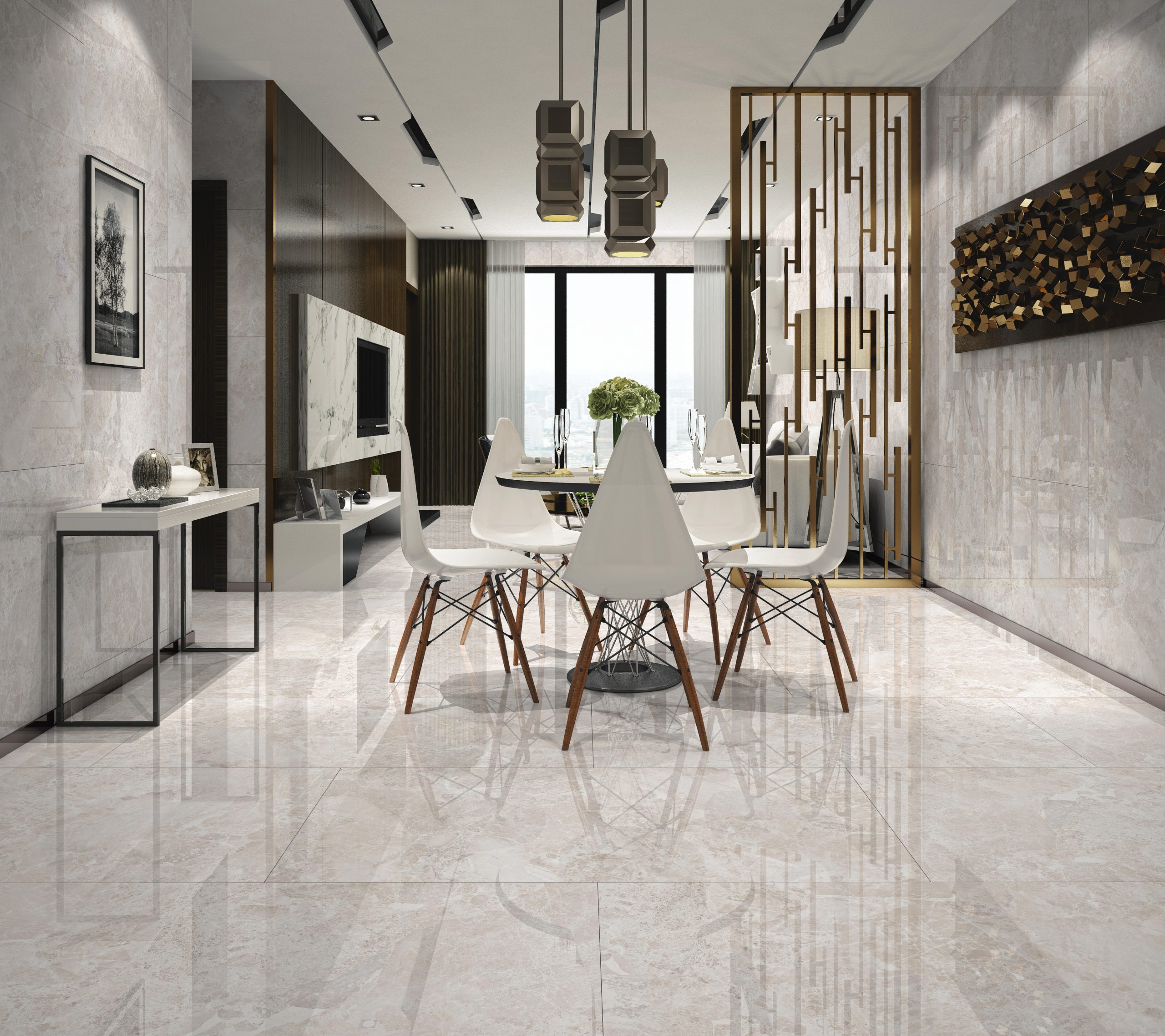
Understanding the different types and benefits of porcelain tiles can help you make informed decisions for your flooring and wall applications.
What porcelain tiles are and how they differ from ceramic and natural stone options in modern interiors
Porcelain tiles are made from refined clay and fired at high temperatures, making them denser and less porous than ceramic tiles. This results in:
- Higher durability
- Better water resistance
- Enhanced strength
Compared to natural stone, porcelain tiles require less maintenance and offer more consistent finishes.
Different types of porcelain tiles available and how to choose based on room usage and traffic levels
Types of porcelain tiles include:
- Polished tiles for a glossy finish
- Matte tiles for slip resistance
- Textured tiles for outdoor use
- Full-body tiles for high-traffic areas
Choosing the right type depends on the intended use and foot traffic.
Advantages of porcelain tiles including durability, water resistance, and low maintenance requirements
Key benefits include:
- Resistance to stains and moisture
- Long lifespan
- Easy cleaning
- Wide variety of designs
These features make porcelain tiles suitable for kitchens, bathrooms, and living spaces.
How porcelain tiles contribute to interior design aesthetics with various finishes, textures, and colors
Porcelain tiles are available in numerous styles, including:
- Wood-look finishes
- Marble-inspired designs
- Concrete textures
This versatility allows homeowners to achieve various design themes effortlessly.
Installation considerations and preparation steps required for achieving long-lasting porcelain tile surfaces
Proper installation involves:
- Preparing the subfloor
- Ensuring level surfaces
- Using appropriate adhesives
- Allowing proper curing time
Professional installation ensures optimal performance and durability.
Common misconceptions about porcelain tiles and how they impact decision-making for homeowners
Some misconceptions include:
- Porcelain tiles are too expensive
- They are difficult to install
- Limited design options
In reality, they offer excellent value and design flexibility.
Maintenance tips and cleaning practices to preserve the beauty and performance of porcelain surfaces
Maintenance tips include:
- Regular sweeping and mopping
- Avoiding harsh chemicals
- Cleaning spills promptly
These practices help maintain the tile’s appearance over time.
Comparing porcelain tiles with alternative flooring options for both residential and commercial spaces
Compared to other options like vinyl carpet flooring, porcelain tiles offer superior durability and water resistance.
They also provide a more premium look compared to alternatives such as wooden flooring abu dhabi, especially in moisture-prone areas.
Conclusion
Porcelain tiles are a versatile and durable flooring option suitable for various applications. Their wide range of designs and low maintenance requirements make them a practical choice for modern interiors.
FAQs
What makes porcelain tiles different from ceramic tiles?
They are denser, less porous, and more durable.
Are porcelain tiles suitable for outdoor use?
Yes, especially textured varieties designed for slip resistance.
How durable are porcelain tiles over time?
They can last for decades with proper maintenance.
Do porcelain tiles require sealing?
Most do not require sealing due to low porosity.
What finishes are available for porcelain tiles?
Polished, matte, and textured finishes are commonly available.