
Designing a bedroom involves more than simply selecting a bed and wardrobe. The choices you make influence how comfortable, functional, and visually appealing the room becomes. In cities with diverse design influences and modern housing styles, selecting furniture requires thoughtful planning and a clear understanding of space, lifestyle needs, and interior harmony.
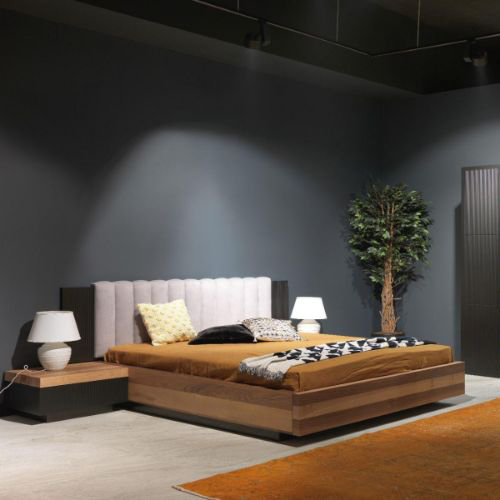
When exploring options for bedroom furniture abu dhabi, homeowners often balance comfort, durability, and style. Bedrooms serve as personal retreats, so every element—from seating to storage—should contribute to relaxation and practicality. This guide explains how to evaluate furniture choices, understand interior themes, and create a balanced bedroom environment.
Understanding How Bedroom Furniture Impacts Comfort and Function
Furniture defines how a bedroom is used throughout the day and night. Comfort and functionality depend on the relationship between individual pieces and the available space.
Key aspects that influence bedroom comfort include:
- Proper bed size relative to room dimensions
- Storage solutions that prevent clutter
- Seating options for relaxation or reading
- Materials that promote durability and comfort
Bedrooms often include more than just a bed. Many people incorporate small lounge areas or reading corners. For instance, adding a comfortable seat such as a recliner chair can transform part of the room into a relaxation zone without interfering with the main sleeping area.
A thoughtful furniture layout ensures movement remains easy while maintaining a calming atmosphere.
Key Furniture Pieces That Define a Complete Bedroom Setup
A well-designed bedroom usually includes several essential furniture pieces that work together to create a functional environment.
Core bedroom furniture components
- Bed frame and mattress – The central piece of the room
- Bedside tables – Provide convenient storage and lighting space
- Wardrobes or closets – Organize clothing and accessories
- Dressers or chests – Add extra storage capacity
- Seating furniture – Enhance comfort and usability
Each piece plays a unique role. The bed anchors the layout, while storage furniture helps maintain order. Seating elements make the space feel more versatile and comfortable.
Many interior designers recommend focusing on proportional balance. Oversized furniture can make rooms feel crowded, while undersized pieces may reduce practicality.
How Room Size and Layout Influence Furniture Choices
Before selecting furniture, measuring the bedroom accurately is essential. Room size determines the types of furniture that fit comfortably without obstructing movement.
Important layout considerations
- Maintain walking space around the bed
- Ensure wardrobes can open fully
- Allow room for additional seating if desired
- Avoid blocking natural light sources
In compact bedrooms, multifunctional furniture often works best. Storage beds, wall-mounted shelves, and compact nightstands maximize efficiency without overwhelming the room.
Larger bedrooms provide opportunities to include extra elements like reading areas or lounge seating. In such spaces, adding a rocking chair can create a peaceful corner for relaxation. Many homeowners incorporate this type of seating for comfort and style, especially when selecting options similar to a rocking chair dubai that complements modern bedroom aesthetics.
Thoughtful placement ensures every piece enhances the room instead of restricting it.
Materials and Finishes That Work Best in Modern Bedrooms
Furniture materials significantly affect durability, maintenance requirements, and overall style.
Common bedroom furniture materials
Solid Wood
- Known for strength and longevity
- Provides a warm and classic appearance
- Suitable for both traditional and modern interiors
Engineered Wood
- More affordable than solid wood
- Resistant to warping in certain climates
- Available in many finishes
Metal Frames
- Lightweight and modern
- Often used for minimalist bed designs
Upholstered Furniture
- Adds softness and comfort
- Popular for headboards and seating
The finish of furniture—whether matte, glossy, or textured—also contributes to the overall aesthetic. Neutral finishes often create calm environments, while darker woods add sophistication.
Selecting durable materials ensures bedroom furniture remains functional and attractive for many years.
Blending Traditional and Contemporary Bedroom Design Styles
Bedrooms often reflect a blend of cultural traditions and modern design influences. This combination creates unique spaces that feel both comfortable and stylish.
One example of traditional design influence is the use of low seating arrangements commonly seen in regional living spaces. Some homeowners integrate design elements inspired by traditional seating styles similar to majlis furniture to add cultural character to interior layouts.
When blending styles, it is helpful to:
- Maintain consistent color palettes
- Balance traditional furniture with modern accessories
- Use textures and fabrics to create harmony
Modern bedrooms frequently combine minimalist furniture with decorative elements such as patterned rugs, accent lighting, or carved wooden details. This approach allows homeowners to maintain a contemporary look while honoring traditional design elements.
Creating a Relaxing Bedroom Environment Through Furniture
The bedroom should feel calm, quiet, and comfortable. Furniture plays a major role in shaping that atmosphere.
Tips for creating a relaxing bedroom
- Choose soft lighting near bedside areas
- Keep furniture arrangement simple and uncluttered
- Use comfortable seating for quiet activities
- Incorporate soft textiles and cushions
A relaxation corner can significantly enhance the room’s atmosphere. Many people enjoy having a quiet place to read or unwind without sitting on the bed.
Comfortable seating—such as a rocking chair or reclining seat—can support activities like reading, meditation, or simply resting after a long day.
Furniture that supports relaxation transforms the bedroom into a personal retreat rather than just a place to sleep.
Storage Solutions That Keep Bedrooms Organized
Storage is often one of the biggest challenges in bedroom design. Efficient storage prevents clutter and helps maintain a clean environment.
Effective bedroom storage ideas
Built-in wardrobes
- Maximize vertical space
- Provide organized compartments
Under-bed storage
- Ideal for seasonal clothing or bedding
- Keeps rarely used items hidden
Multi-functional furniture
- Storage benches or beds with drawers
- Saves space in smaller rooms
Wall-mounted shelves
- Useful for decorative items or books
- Reduce the need for large furniture pieces
Proper storage planning allows the bedroom to remain organized while preserving open space. A well-organized room also promotes better relaxation and mental clarity.
How Interior Themes Shape Furniture Selection
Interior themes influence every furniture decision—from materials to color schemes.
Designers typically begin with an overall concept for the home or bedroom. For example, many homeowners explore inspiration from modern Middle Eastern or contemporary urban styles when designing their interiors.
When researching design inspiration, some people look at professional interior concepts similar to dubai interior design approaches, which often emphasize clean lines, luxury materials, and balanced layouts.
Popular bedroom themes include:
- Minimalist modern
- Contemporary luxury
- Classic traditional
- Scandinavian simplicity
- Cultural fusion styles
Selecting furniture that aligns with the chosen theme ensures the bedroom feels cohesive and visually balanced.
Tips for Maintaining Bedroom Furniture Over Time
Maintaining furniture properly ensures it remains durable and visually appealing for years.
Simple maintenance practices
- Dust furniture regularly to prevent buildup
- Use protective pads under decorative items
- Avoid excessive sunlight exposure for wooden pieces
- Clean upholstery according to manufacturer guidelines
Periodic inspection also helps detect small issues early, such as loose screws or minor scratches. Addressing these problems quickly can prevent long-term damage.
Well-maintained furniture continues to provide comfort and functionality throughout its lifespan.
Conclusion
Choosing bedroom furniture requires a thoughtful balance between comfort, design, and practicality. From beds and wardrobes to seating and storage solutions, every piece contributes to how the room functions and feels.
By considering layout, materials, interior themes, and personal lifestyle needs, homeowners can create bedrooms that feel relaxing, organized, and visually appealing. The right furniture arrangement transforms a bedroom into a comfortable sanctuary that supports both rest and everyday activities.
FAQs
What furniture pieces are essential for a complete bedroom?
A typical bedroom includes a bed, bedside tables, wardrobe or closet, dresser, and sometimes additional seating like a lounge chair or reading chair.
How do I choose the right bed size for my bedroom?
Measure the room carefully and ensure there is enough walking space around the bed. Larger rooms can accommodate king-size beds, while smaller rooms may benefit from queen or full sizes.
What materials are best for durable bedroom furniture?
Solid wood, engineered wood, and metal frames are among the most durable options. Upholstered furniture can also be long-lasting when maintained properly.
How can I make a small bedroom feel more spacious?
Using multifunctional furniture, wall-mounted shelves, light color palettes, and minimal decorations can help create the illusion of more space.
Is it a good idea to add seating to a bedroom?
Yes. Seating like reading chairs or lounge chairs can create a comfortable relaxation area within the bedroom, making the space more versatile and functional.